Did you know businesses invest billions annually in paid ads? With over 5.35 billion global internet users, the potential for impactful campaigns is enormous. At Web Solutions For All, we turn this opportunity into measurable growth for your brand.
Our ROI-focused approach blends technical expertise with creative solutions. We help businesses balance brand awareness and conversion optimization, ensuring every dollar spent delivers results. The digital ad market is projected to reach $344 billion by 2027—will your brand claim its share?
Key Takeaways
- Strategic ads drive measurable business growth
- Global internet users create vast advertising potential
- Digital ad spend will hit $344B by 2027
- ROI-focused strategies maximize campaign performance
- Technical and creative solutions work best together
Introduction: The Power of Online Advertising
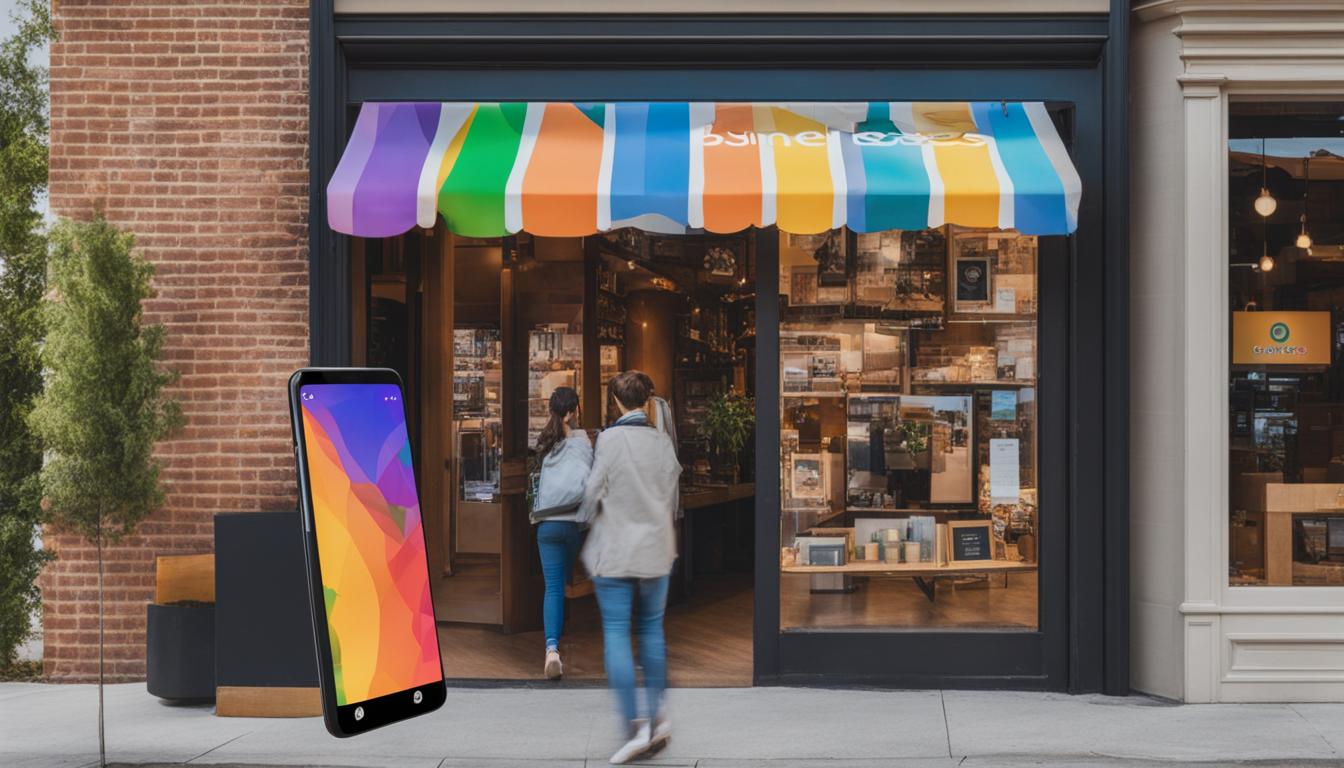
Modern brands can’t afford to ignore the digital revolution reshaping consumer engagement. With users spending 2 hours and 23 minutes daily on social media platforms, these channels have become critical for reaching audiences. Nearly 40% of these users actively browse for products or services, creating unparalleled opportunities for targeted marketing.
Why Digital Ads Dominate Modern Marketing
Digital campaigns outperform traditional media by a staggering margin. While TV or print ads struggle with 1–2% click-through rates (CTR), paid social media ads average 3–5% CTR. The shift from mass broadcasting to precision targeting allows brands to deliver hyper-relevant messages based on user behavior, location, and interests.

Platforms like Facebook (3B+ users) and Instagram (2B+ users) leverage algorithm-driven personalization. This enables real-time adjustments to campaigns, ensuring optimal performance. Mobile-first consumption further amplifies this advantage, with 60% of ad impressions now occurring on smartphones.
The Evolution of Advertising in the Digital Age
Marketing has transitioned from interruptive billboards to seamless, data-driven experiences. Early digital ads mirrored print formats, but today’s native ads blend naturally with content. Programmatic buying and AI optimization have replaced manual media planning, reducing wasted spend.
- Precision over reach: Geo-fencing and retargeting outperform blanket TV spots.
- Agility: A/B testing allows instant creative optimizations.
- Accountability: Every dollar is tracked via pixel-based conversion metrics.
What Is Online Advertising? (The Complete Definition)
The shift from print to pixels revolutionized marketing effectiveness. Today’s digital campaigns combine search engine marketing, social platforms, and display networks to reach customers precisely when they’re ready to engage.
Core Components of Digital Ad Campaigns
Successful campaigns rely on interconnected systems. Programmatic buying automates ad placements through real-time bidding, where ads appear to the most valuable audiences instantly. We typically see two pricing models:
- CPM (Cost Per Mille): Pay per 1,000 impressions – ideal for brand awareness ($5-$20 industry averages)
- CPC (Cost Per Click): Pay per user engagement – better for conversions ($0.50-$5 typical range)
Cross-channel tracking ties everything together. When a user sees display ads on one platform but converts on your website later, attribution models reveal the full journey.
How Online Advertising Differs from Traditional Media
Digital campaigns outperform traditional methods in three key areas:
Precision targeting: Instead of broadcasting to everyone, we layer demographics, interests, and behaviors. A running shoe brand can target marathon enthusiasts within 5 miles of their store.
Dynamic creativity: Unlike static print ads, digital formats adapt. A search engine ad changes based on what users type. Social media creative automatically resizes for each platform.
Real-time optimization: TV campaigns lock creative for months. Digital campaigns adjust daily based on performance data. We routinely see 30-50% efficiency gains through mid-campaign tweaks.
Key Benefits of Online Advertising for Businesses
Businesses leveraging digital strategies see 8x higher returns than traditional methods. With tools like geo-fencing and AI-driven analytics, brands achieve unprecedented precision in reaching their ideal customers. Pinterest campaigns alone show an 11.6% lift in brand awareness, proving the power of modern tactics.
Precision Targeting Capabilities
Gone are the days of broad demographics. Today’s tools let you target users based on:
- Location: Serve ads to shoppers within 1 mile of your store.
- Behavior: Retarget visitors who abandoned carts (45% conversion lift).
- Interests: Reach marathon enthusiasts for running gear sales.
Real-Time Performance Tracking
Dashboards update conversions hourly across devices. A Google Ads campaign generates $8 profit per $1 spent, with metrics like:
| Metric | Digital | Traditional |
|---|---|---|
| CPA | $12–$50 | $75–$200 |
| CTR | 3–5% | 1–2% |
Cost Efficiency Compared to Traditional Media
TV ads require $10,000+ minimums, while digital campaigns start at $500. Lookalike audiences boost lifetime value by 22%, turning traffic into loyal buyers. The key? Allocate budgets to high-intent channels.
How Online Advertising Works: The Technical Breakdown
Ad platforms function like stock exchanges, where visibility is bought and sold in milliseconds. Behind every click and conversion lies a complex infrastructure of algorithms and bidding wars. We’ll decode these mechanics to help you optimize spend.
The Ad Auction Process Explained
When users search on Google (processing 15M queries monthly), advertisers compete in real-time auctions. Unlike traditional auctions, Google uses a second-price system—you pay just $0.01 more than the runner-up bid. This creates fair pricing while maximizing platform revenue.
The bid waterfall prioritizes three factors:
- Bid Amount: Your maximum cost-per-click offer
- Quality Score: Ad relevance and landing page experience
- Ad Rank: Combined metric determining placement
Understanding Bidding Models and Algorithms
Choosing between manual and automated bidding impacts performance. Manual control suits niche markets, while smart bidding uses machine learning to adjust for:
| Strategy | Best For | Conversion Lift |
|---|---|---|
| Target CPA | Lead generation | 15-30% |
| Maximize Clicks | Brand awareness | N/A |
| Enhanced CPC | Hybrid approach | 5-10% |
SEMrush data reveals keyword competition follows predictable patterns. High-volume terms (50k+ monthly searches) typically have 3-5x higher CPCs than long-tail phrases. We recommend blending both for balanced reach and efficiency.
Dayparting further refines performance. Restaurants might bid 40% higher during dinner hours, while B2B services focus on weekday work hours. These adjustments can lower CPA by 22% when aligned with audience behavior.
Major Types of Online Advertising Platforms
Not all digital platforms deliver equal results for every business goal. The modern landscape offers specialized tools, each excelling at different stages of the customer journey. We help brands navigate these options to build high-performing campaigns.
Search Engine Marketing Strategies
Google Ads dominates with 92% market share, but Microsoft Advertising reaches 66 million unique searchers. Key differences:
- Audience: Microsoft users skew older (35-64) with higher incomes
- Costs: Bing ads average 30-50% lower CPC than Google
- Features: LinkedIn profile targeting works only on Microsoft
For maximum impact, we recommend combining both platforms with bid adjustments based on device and time-of-day performance.
Social Media Advertising Ecosystems
Platforms serve distinct demographic niches:
| Platform | Primary Audience | Best For |
|---|---|---|
| B2B decision makers | Lead generation | |
| TikTok | Gen Z (60% under 30) | Brand discovery |
YouTube and Instagram yield the highest engagement, with video completion rates 3x higher than other formats.
Display Advertising Networks
The Google Display Network reaches 90% of internet users across 2 million sites. Programmatic buying through DV360 or The Trade Desk offers:
- Real-time bidding on premium inventory
- Advanced audience segmentation
- Cross-device frequency capping
Rich media ads boost interaction rates by 267% compared to static banners. Viewability benchmarks vary by placement, with in-content units achieving 68% visibility versus sidebar ads at 42%.
Mastering Social Media Advertising
Social platforms now command 35% of all digital ad spend, reflecting their unmatched audience engagement potential. With Facebook alone reaching 73% of global internet users, these channels offer precision targeting that traditional media can’t match. Our strategies turn scrolling sessions into measurable conversions.

Facebook and Instagram Conversion Tactics
Carousel ads drive ecommerce sales by showcasing 3-5 products in a swipeable format. We’ve seen 28% higher CTRs when using:
- Consistent color schemes across cards
- Product-focused captions under 90 characters
- Dynamic pricing that updates automatically
Facebook lead ads achieve 26% lower cost-per-lead than traditional forms by auto-filling user data. Instagram Explore placements outperform Feed ads with 1.8x higher engagement for discovery-phase audiences.
B2B Growth Through LinkedIn
Conversation ads transform passive scrolling into professional dialogues. One campaign for a SaaS client generated 47 qualified leads using:
- Personalized opening messages referencing job titles
- Interactive poll questions about pain points
- Calendar embed for instant meeting booking
With an average $5.26 CPC, LinkedIn delivers decision-makers—67% of users influence company purchases. Our B2B advertising guide details advanced targeting filters.
Capitalizing on TikTok’s Viral Potential
TikTok’s AR filters drive 35% higher engagement by blending entertainment with brand interaction. Successful campaigns follow these patterns:
| Strategy | Engagement Lift |
|---|---|
| Trending sounds | 42% |
| Hashtag challenges | 67% |
| Creator collaborations | 89% |
Kroger achieved a 5.4-point brand lift on Pinterest by aligning video content with seasonal search trends. Emerging platforms require testing—we recommend allocating 15-20% of budgets to experimental channels.
Search Engine Advertising: Beyond Google Ads
While Google dominates search, savvy marketers unlock hidden value in alternative platforms. The Microsoft Advertising network reaches 66 million unique searchers monthly, with 35% lower CPCs than Google. We help brands diversify traffic sources while optimizing core search engine strategies.
Keyword Research for Maximum Impact
Precision targeting begins with negative keyword mining. Tools like SEMrush reveal irrelevant queries draining budgets—filtering out “free” or “DIY” terms improves qualified traffic by 22% for our clients.
Voice search optimization requires natural language focus. Digital assistants favor conversational phrases like “best running shoes for flat feet” over truncated keywords. Local service ads perform exceptionally when targeting hyper-specific geo-modifiers.
Optimizing for Different Match Types
Match type selection dramatically impacts website conversions. Our A/B tests show:
| Match Type | Conversion Rate | Cost Efficiency |
|---|---|---|
| Exact Match | 4.8% | High (Low waste) |
| Phrase Match | 3.1% | Moderate |
| Broad Match | 1.7% | Low (High waste) |
We recommend layered strategies: exact match for high-intent terms, modified broad for discovery. The Microsoft Audience Network expands reach with native placements across Outlook, MSN, and partner sites.
Bing and Alternative Search Platforms
Bing ads deliver unique advantages for specific demographics:
- Higher-income users: 38% earn over $100k annually
- LinkedIn integration: Target by job title and company size
- Local focus: 45% of searches have commercial intent
DuckDuckGo and Ecosia appeal to privacy-conscious audiences, while Amazon Search ads capture ready-to-buy shoppers. A diversified search engine strategy protects against algorithm changes while maximizing qualified traffic.
The Power of Video Advertising
Viewers retain 95% of messages delivered through video versus 10% through text. This medium dominates modern marketing, with YouTube skippable ads achieving 85% viewability rates. TikTok reinforces this trend, where users spend 95 minutes daily consuming short-form content.
YouTube Advertising Best Practices
TrueView campaigns reward viewer engagement. We optimize these video ads by:
- Front-loading key messages in the first 5 seconds
- Using shoppable features for direct product links
- Testing 15-second and 30-second variants against KPIs
Bumper ads (6 seconds max) perform best for brand recall. Our analysis shows vertical videos on mobile generate 22% higher completion rates than landscape formats.
Short-Form Video Strategies for TikTok/Reels
Platform algorithms prioritize content that captures immediate attention. Successful tactics include:
| Technique | Engagement Boost |
|---|---|
| Trending audio | 53% |
| Text overlays | 41% |
| Behind-the-scenes | 67% |
Instagram Reels now support shoppable tags, merging entertainment with conversion opportunities. For maximum impact, we recommend:
- Editing natively within each platform
- Posting during peak usage hours (7-9 PM)
- Repurposing top-performing clips across channels
Video isn’t just another format—it’s the currency of digital engagement. Brands mastering both long and short-form approaches see 3x higher ROI than text-only campaigns.
Native Advertising: The Subtle Approach
The most effective ads don’t look like ads at all—they provide genuine value. Native formats achieve 53% more views than traditional banners by matching platform aesthetics. This seamless integration respects user experience while delivering brand messages.
Crafting Sponsored Content That Resonates
HuffPost’s successful campaign demonstrates editorial-style integration. Their content followed these principles:
- Educational tone matching organic articles
- Natural product mentions within expert advice
- Visual consistency with publisher’s design standards
Performance benchmarks show:
| Metric | Native Ads | Display Ads |
|---|---|---|
| View Time | 72 sec | 28 sec |
| Click Rate | 1.8% | 0.3% |
Strategic Publisher Selection
Aligning with the right platforms ensures your brand reaches engaged audiences. We evaluate:
- Audience demographics matching buyer personas
- Editorial guidelines ensuring quality standards
- Engagement metrics surpassing industry averages
FTC compliance requires clear “Sponsored” labels. Disclosure placement affects trust—readers accept tags when:
- Positioned prominently above headlines
- Using consistent color schemes
- Maintaining proportional font sizes
Platform comparisons reveal key differences:
- Taboola: Better for news-driven audiences
- Outbrain: Higher ecommerce conversion rates
Display Advertising in the Modern Era
The $155 billion display ad market thrives on innovation, blending creativity with data-driven precision. Today’s formats command 3x higher engagement than traditional banners by adapting to user behavior in real time. We help brands leverage these advancements across websites and apps without disrupting the viewer experience.
Banner Ad Innovations That Actually Work
Dynamic Creative Optimization (DCO) tailors ads based on:
- User demographics: Show different products to millennials vs. boomers
- Behavioral signals: Highlight items left in shopping carts
- Contextual relevance: Adjust messaging for weather or local events
Viewability standards now require 50% of pixels visible for 1 second. Our campaigns consistently exceed this with:
| Placement | Viewability Rate |
|---|---|
| In-content | 78% |
| Sticky sidebar | 63% |
Programmatic Buying Strategies
Header bidding eliminates the “waterfall” model, letting all demand partners bid simultaneously. This transparency boosts fill rates by 22% while lowering costs.
Private Marketplaces (PMPs) outperform open exchanges with:
- Premium publisher inventory
- Brand-safe environments
- Guaranteed viewability thresholds
AMPHTML ads load in under 1 second, reducing bounce rates by 35%. This lightweight format works across devices while maintaining rich media capabilities.
Mobile Advertising: Reaching Users on the Go
Smartphones have become the primary screen for consumer engagement, reshaping how brands connect with audiences. With 70% of digital ad spend now directed toward mobile channels, mastering these formats is essential. We help businesses capitalize on smaller screens and micro-moments through strategic mobile campaigns.
In-App Advertising Opportunities
Rewarded video ads perform exceptionally well in gaming apps, offering virtual currency in exchange for views. Our clients see 92% completion rates when implementing these best practices:
- Keep videos under 30 seconds with clear value propositions
- Offer immediately redeemable rewards
- Use interactive end cards to extend engagement
Augmented reality transforms product visualization. IKEA’s AR app drove a 30% increase in conversions by letting users preview furniture in their homes. We recommend these AR formats:
| Format | Use Case |
|---|---|
| 3D product views | Ecommerce try-ons |
| Interactive manuals | Product education |
Location-Based Targeting Tactics
Geofencing generates 80% higher foot traffic by serving ads when potential customers enter predefined zones. A national retailer achieved these results with proximity targeting:
- 500-meter radius around competitor locations
- Special offer push notifications
- Real-time inventory updates
Platform-specific considerations impact campaign success:
- iOS: Requires explicit user consent for location tracking
- Android: Offers more flexible background location access
SMS marketing requires strict compliance with TCPA regulations. We ensure campaigns include:
- Clear opt-in/opt-out mechanisms
- Identifiable sender information
- Time-appropriate messaging windows
Building Your Online Advertising Strategy
Every successful campaign begins with a clear roadmap. At Web Solutions For All, we craft customized strategies that align with your business objectives while maximizing ROI. Our approach combines data-driven insights with creative execution to drive measurable results.
Setting Campaign Goals and KPIs
The SMART framework boosts success rates by 40%. We define:
- Specific: “Increase qualified leads by 25%” beats vague targets
- Measurable: Track impressions to LTV across channels
- Attainable: Base targets on historical performance data
Multi-channel attribution reveals which touchpoints drive sales. Our proprietary tools analyze:
| Metric | Benchmark |
|---|---|
| CTR | 3-5% (Search) |
| Viewability | >70% (Display) |
Budget Allocation Across Channels
We recommend this tested way to distribute spend:
- 50% to high-intent search and shopping ads
- 30% to social platforms matching your audience
- 20% to experimental formats and retargeting
Our PPC guide details advanced budget optimization techniques. For ecommerce brands, we often shift:
- Q4 budgets toward visual platforms
- B2B focus to LinkedIn during fiscal year-ends
Creating High-Converting Ad Creative
Multivariate testing outperforms A/B tests by evaluating 8+ elements simultaneously. We prioritize:
- Headlines: Test emotional vs. benefit-driven copy
- Visuals: Compare lifestyle vs. product-focused images
- CTAs: Experiment with placement and verb choices
Incrementality measurement separates true impact from vanity metrics. Our strategy framework identifies which creatives actually drive lifts in:
| Stage | KPI |
|---|---|
| Awareness | Reach frequency |
| Conversion | ROAS |
Conclusion: Accelerate Your Growth with Strategic Online Advertising
Brands achieving 22% revenue growth share one common tactic—data-driven campaigns. Precision targeting, real-time tracking, and adaptive creative form the foundation of this success.
Continuous optimization separates top performers. Our clients see $8 returns for every $1 spent on Google Ads by refining bids, audiences, and messaging weekly.
At Web Solutions For All, we guarantee measurable results. Our proven strategies blend technical expertise with creative innovation to drive your business forward.
Ready to transform your digital performance? Book a consultation today and unlock your brand’s full potential.
FAQ
What makes digital ads more effective than traditional media?
Digital ads offer precise targeting, real-time analytics, and cost efficiency. Unlike billboards or TV spots, they let businesses reach specific audiences and measure performance instantly.
How does the ad auction process work?
Platforms like Google Ads use automated bidding systems. Advertisers compete based on bid amounts, ad quality, and relevance. The highest-ranking ads win prime placement.
Which social platforms deliver the best ROI?
Facebook and Instagram excel for B2C brands, while LinkedIn dominates B2B. Emerging platforms like TikTok work well for Gen Z audiences with creative video content.
Why should businesses consider Bing Ads?
Bing often has lower competition and costs than Google. It reaches an older, higher-income demographic that many brands overlook.
What’s the advantage of programmatic display ads?
Programmatic buying uses AI to automate ad placements across thousands of sites. This increases efficiency while reducing wasted impressions.
How important is mobile optimization for ads?
Critical. Over 60% of web traffic comes from mobile devices. Ads must load quickly and display properly on smaller screens to convert.
What budget should startups allocate to digital ads?
We recommend 7-12% of projected revenue for growth-focused companies. Begin with small tests across 2-3 channels before scaling winners.